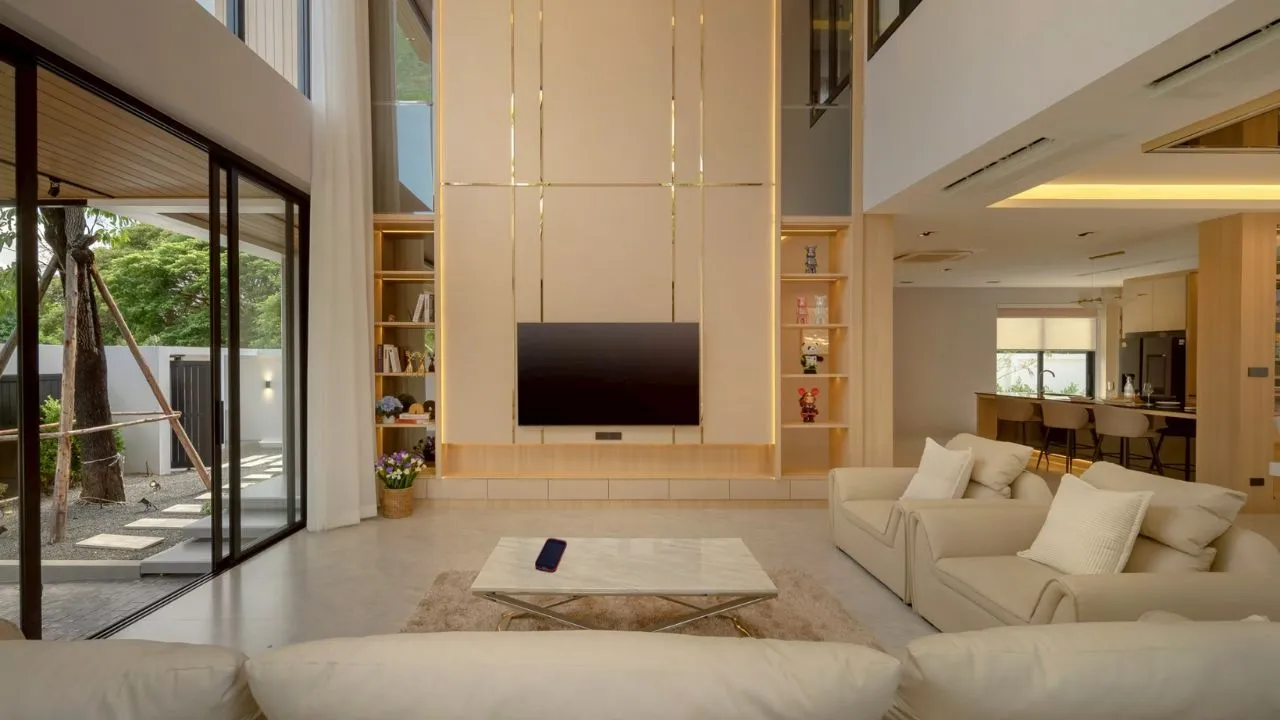

Definition: Smart Home (Chiang Mai Real Estate context)
A Smart Home in Chiang Mai integrates IoT (Internet of Things) automation with climate-responsive architecture to optimize energy efficiency in Northern Thailand's tropical environment. Key components range from retrofit devices like remote-controlled HVAC and smart locks to structural elements like double-glazed windows and aerated concrete insulation. Basic automation setups typically range from 20,000 THB to 100,000 THB, while fully integrated luxury smart villas in districts like Hang Dong or Mae Rim often command market prices starting at 15 Million THB.
More Than Just Gadgets: The Future of Chiang Mai Homes is Here
Imagine returning to your property in Chiang Mai during the peak of April heat. With a tap on your phone, the air conditioning pre-cools the living room to 24°C, the blackout curtains close to block the glare, and the security system disarms as you pull into the driveway.
This level of automation has officially arrived in the Chiang Mai property market. However, a "Smart Home" is evolving from a collection of connected gadgets into a philosophy of "Smart Construction." This guide covers both the accessible technology available today and the structural future for those building dream homes in Northern Thailand.
Smart Home Technology: The "Brain" of the House
For existing properties (condos in Nimman or detached houses in San Sai), adding a "brain" of connected devices is the most accessible entry point. In Chiang Mai, practical applications focus on combating heat and enhancing security.
Cost and Feature Comparison: Smart Devices in Thailand
Below is a breakdown of common smart home upgrades available through local suppliers like CNX SMART HOME.
The Future: 'Smart Construction' for New Homes
While gadgets add convenience, the "body" of the house determines its true intelligence. For those building from the ground up in Chiang Mai, Smart Construction focuses on passive cooling and energy efficiency before a single microchip is installed.
To build a home suited for the local climate (high heat and seasonal PM2.5 haze), prioritize these structural elements:
- Foundation of Efficiency: utilizing Autoclaved Aerated Concrete (AAC/Q-Con blocks) and high-performance roof insulation (e.g., SCG Stay Cool) to create a thermal barrier.
- Intelligent Windows: Installing Double-Glazed Low-E glass which reduces heat transfer by up to 50% compared to standard single-pane glass found in older Thai homes.
- Climate-Aware Design: Orienting the building footprint to minimize direct sun exposure on the South/West walls and utilizing cross-ventilation.
Trust Signals: The Pros and Cons of Smart Homes
To make an informed decision, it is vital to weigh the benefits against the potential downsides of digitizing your home in Thailand.
Pros of Smart Homes
- Energy ROI: Automated cooling and lighting can reduce monthly electricity bills by 15% to 30%, significant given Thailand's rising Ft (fuel adjustment) rates.
- Security for Absentees: Remote monitoring is crucial for expats who spend part of the year abroad.
- Resale Value: Properties with integrated smart security and energy-saving features stand out in competitive areas like Hang Dong and Saraphi.
Cons of Smart Homes
- Technical Obsolescence: Unlike bricks and mortar, smart devices age quickly. A smart hub installed today may be outdated within 5 years.
- Connectivity Reliance: Smart features require stable fiber internet (e.g., AIS Fiber or True). Internet outages can render some remote features useless.
- Power Stability: Chiang Mai can experience power surges during the rainy season. Sensitive smart equipment requires investment in UPS (Uninterruptible Power Supply) systems to prevent damage.
What This Means for Buyers and Sellers
For Sellers: Retrofitting smart locks and energy-efficient lighting is a cost-effective renovation (under 50,000 THB)that modernizes older listings instantly.
For Buyers: When viewing "Smart Homes, "distinguish between surface-level gadgets and deep smart construction. A home with poor insulation equipped with a smart thermostat is less valuable than apassive-cooling home with manual switches.
Final Thoughts: Build for Tomorrow
Whether you are retrofitting a condo near Chiang Mai University or building a luxury pool villa, the intersection of design and technology is the future of local real estate. Contact Chiang Mai Properties to explore listings that bridge the gap between gadgets and grand design.
Frequently Asked Questions (FAQs)
1. How much does it cost to convert a standard house into a smart home in Chiang Mai?
For a basic retrofit including smart lighting, a video doorbell, and automated AC controls, costs typically range between 20,000 THB and 50,000 THB. Full home automation systems (control panels, automated curtains, and integrated security) for a 3-bedroom house can range from 150,000 THB to300,000 THB depending on the brand ecosystem used.
2. Do smart home devices increase property value in Thailand?
Yes, specifically regarding energy efficiency and security. While "gadgets" depreciate, structural smart features like digital door locks and integrated energy management systems are high-demand features for expat tenants and buyers, potentially increasing rental yields by 5-10%in competitive neighborhoods.
3. What is the most important smart feature for the Chiang Mai climate?
Climate control automation is the priority. Combining Smart Thermostats with Automated Blinds provides the highest return on investment by preventing the home from overheating during the day, significantly lowering electricity costs associated with air conditioning.
Prices and availability are accurate as of the date of posting but are subject to change without notice due to market demand and currency fluctuations (all prices are in THB). This information is for guidance only and does not constitute a legal offer. We recommend all clients conduct independent due diligence and an in-person viewing before entering into a contract. For full legal terms, please visit our Terms of Use.
Any financial projections, occupancy rates, or ROI percentages provided are based on data supplied by the owner/developer and represent historical performance or future estimates. They are not a guarantee of future profit. Business licenses (including Hotel Licenses) are the responsibility of the buyer to verify during the due diligence period. Chiang Mai Properties is not a financial advisory firm.