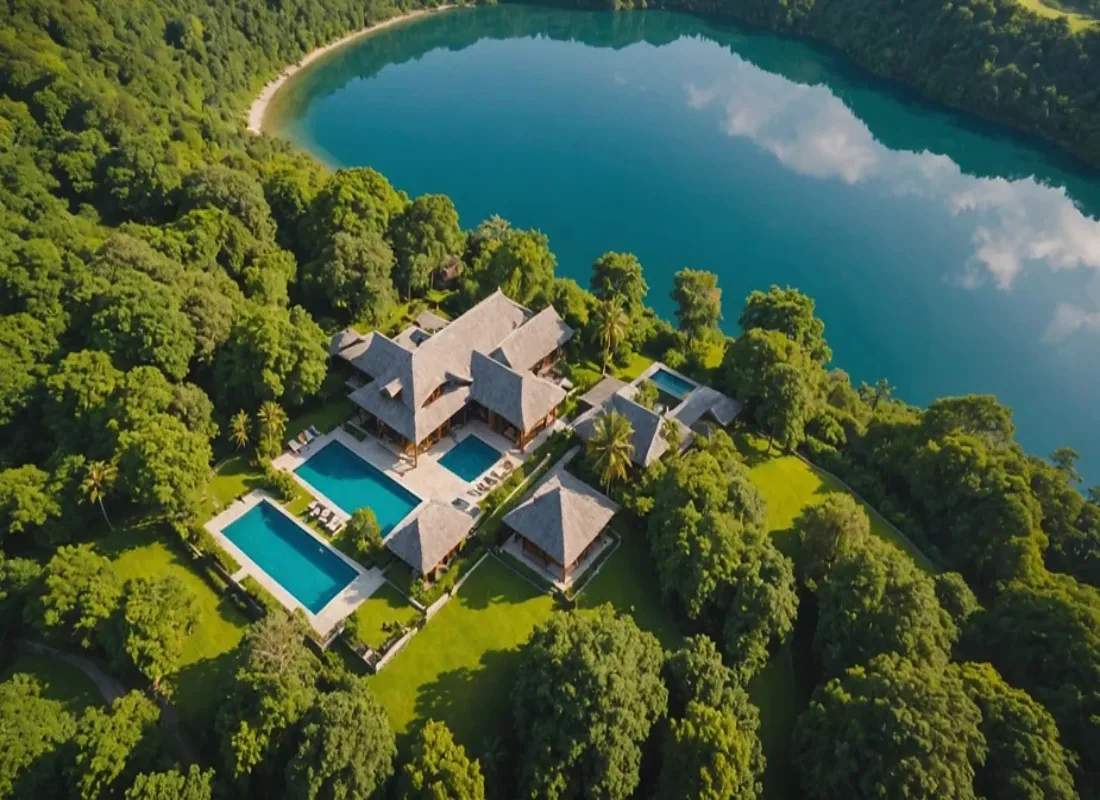

Chiang Mai’s wellness real estate market is the highest-growth sector in Northern Thailand, with wellness-adjacent properties commanding a 12% location premium over traditional builds. Targeting a THB 20 billion local market by 2028, this sector serves high-net-worth retirees and DTV nomads. Entry-level wellness condos start at 3.5M THB, while luxury "Healthy City" villas reach 15M+ THB.
Picture this: You are part of the "Land of Life" Thailand’s high-stakes national rebranding that has shifted the focus from simple tourism to longevity science and preventive health. In Chiang Mai, this isn't just a marketing slogan; it’s a tangible urban transformation. As the global wellness real estate market surges at 15.2% annually, investors here are moving beyond simple "square footage" to buy into air-purified sanctuaries, "restorative sleep" architecture, and proximity to world-class healing centers.
Strategic Mapping: Chiang Mai’s 2026 Wellness Investment Corridors
To maximize ROI, investors must look at the specific infrastructure projects and "Healthy City" developments driving value.
What's Fueling Chiang Mai's Recent Wellness Boom?
The convergence of national policy and local development has created a unique "value window" for Chiang Mai Real Estate:
- The 12% Wellness Premium: Recent data confirms that wellness-focused properties in the North now command a 12% price premium over standard residential units. With primary wellness travelers spending roughly THB 30,000 ($1,000) more per trip than leisure tourists, the rental yields for "Health Resorts" and integrated villas are significantly higher.
- "Wellness Thailand: The Land of Life": This 2026 government strategy aims to generate 3 trillion baht in tourism revenue. For investors, this means state backed support for Investment / Retirement in Chiang Mai, particularly in projects that integrate preventive diagnostics and medical services into the residential experience.
- San Kamphaeng Transformation: The 73-rai San Kamphaeng Hot Springs project is being transformed into a world-class holistic destination. This is expected to triple the area's annual income, making the surrounding property for sale in Chiang Mai a prime target for early-stage capital gains.
Pro Tip: For the ultimate "Insider" health experience, visit the Sunshine Market in Nimman for niche superfoods, followed by a traditional Thai medical consultation at the Wat Suan Dok massage center where certified therapists utilize centuries-old techniques fora fraction of resort prices (approx. 200 THB/hour).
Explicit Pricing & Investment Tiers
As Real Estate Trends 2025-2026 move away from a dependency on a single market (like China), Chiang Mai has diversified. We are seeing a resurgence in long-haul investors from the US, Europe, and Japan, all seeking "Work-from-Wellness" spaces.
- Mid-Tier Growth (6M – 12M THB): Focus on 3-bedroom villas in San Kamphaeng. With the hot springs renovation and new pool villa packages, these properties are positioned for 18-25% revenue growth by 2030.
- The Digital Nomad Segment: Digital nomads are no longer just looking for fast Wi-Fi; they are seeking "Mental Wellness & Sleep" hubs. Properties that offer "Bio-Architecture" (HEPA air filtration and soundproofing) are seeing 73.7% occupancy rates out performing traditional rentals.
Clean Air Tech: Addressing the 'Burning Season' Factor
Data from early 2025 showed a 20-30% drop in tourist numbers during the April smog season. However, savvy investors view this as a competitive advantage. By investing in projects that meet the "Healthy City" standards featuring built-in air quality management and restorative indoor environments your property remains a viable year round sanctuary, capturing the market that other "traditional" builds lose during the seasonal low.
Frequently Asked Questions about Wellness Real Estate
What is the projected market value for wellness in Chiang Mai?
Conservative estimates suggest the wellness sector in Chiang Mai will reach THB 15-20 billion by 2028, with optimistic projections reaching THB 40 billion by 2030 if infrastructure projects like the San Kamphaeng facelift remain on schedule.
How does the DTV Visa affect wellness property demand?
The Destination Thailand Visa (DTV) allows remote workers to stay for up to 5years. These residents typically prioritize "Long-Stay Wellness Programs" (1-4 week retreats), driving high demand for serviced wellness apartments and villas with integrated fitness amenities.
Are there specific taxes or HOA fees for "Wellness" branded properties?
While taxes remain standard, "Wellness" branded condos may have higher HOA fees (approx. 50-70 THB/sqm) to maintain specialized facilities like cryotherapy chambers, IV nutrient lounges, and advanced salt-water filtration systems.
Ready to explore Wellness Real Estate further? Browse our latest listings at Chiang Mai Properties or contact our team to find your perfect fit in the North.
The information provided in this article is for general informational purposes only. Real estate laws, visa regulations (including DTV and LTR rules), and market prices in Chiang Mai are subject to rapid change by the Thai government. This content does not constitute legal, tax, or financial advice. Always consult with a licensed professional before making a significant financial commitment.
Any financial projections, occupancy rates, or ROI percentages provided are based on data supplied by the owner/developer and represent historical performance or future estimates. They are not a guarantee of future profit. Business licenses (including Hotel Licenses) are the responsibility of the buyer to verify during the due diligence period. Chiang Mai Properties is not a financial advisory firm.
Land ownership in Thailand for foreigners is subject to specific legal structures, including long-term leaseholds or Thai company entities. We strongly advise engaging a qualified Thai property lawyer to verify land titles (Chanote) and ownership structures. Chiang Mai Properties provides this data as a preliminary guide and does not provide legal representation.